Effective Wildlife Removal Services: Handling Wildlife Concerns From Small Pests to Large Mammals
Professional wildlife removal solutions play a vital role in handling a wide range of animal intrusions, ranging from small rodents to larger mammals such as raccoons. Such services employ humane methods to provide safe and responsible capture and relocation. Additionally, they assess properties to detect potential vulnerabilities and minimize future intrusions. Understanding the nuances of this process uncovers both the obstacles and resolutions. What specific strategies do these professionals employ to foster a sustainable relationship between humans and the natural world?
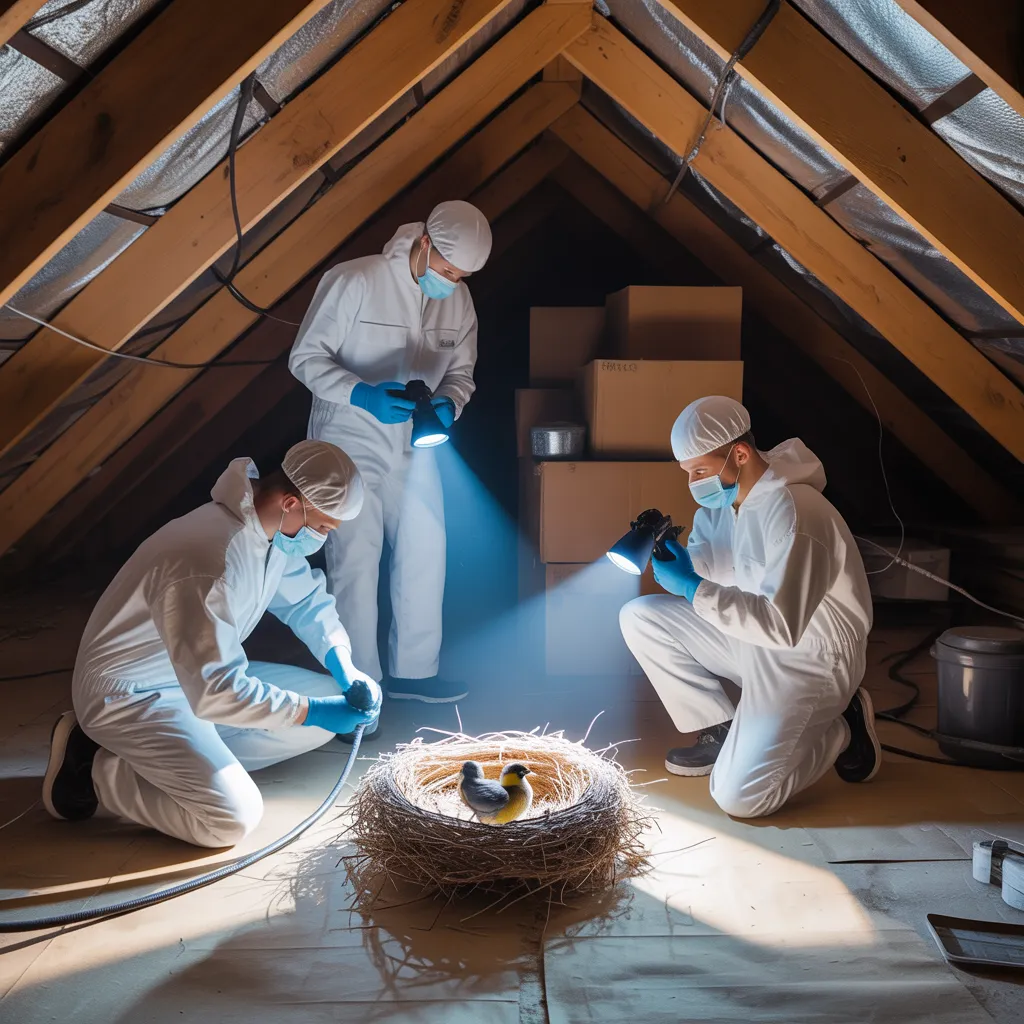
How to Recognize Common Wildlife Intrusions
Recognizing typical wildlife invasions is essential for property owners who want to preserve a secure and healthy home environment. Signs of wildlife presence can vary considerably according to the specific creature involved. For instance, homeowners may observe fecal matter, which can indicate the species causing the intrusion. Rodent droppings are small and pellet-shaped, while raccoon waste is noticeably larger and commonly contains traces of food.
Additionally, chewed wires, gnawed furniture, or damaged insulation can indicate rodent activity. Odd noises, most notably after dark can suggest larger mammals such as raccoons or opossums are nearby. Homeowners might also observe entry points, such as gaps around windows and doors or holes in walls, which serve as entry points for various animals. Tracks or paw prints in the yard can additionally aid in determining specific species. Detecting these warning signs at an early stage can minimize the likelihood of major infestations and costly property damage.
The Significance of Humane Wildlife Removal
Humane wildlife removal is vital not only for the well-being of the animals but also for sustaining a healthy ecosystem. When wildlife encounters human habitats, it can lead to conflicts that may threaten both species. Employing humane methods guarantees that animals are relocated safely without harm, protecting their natural role in the ecosystem.
In addition, ethical wildlife removal methods foster mutual living between wildlife and people, permitting wildlife to carry on their instinctive behaviors. This strategy decreases the risk of future wildlife disturbances, as creatures are humanely directed toward safer natural habitats instead of being destroyed.
Community perception also holds considerable importance; neighborhoods that advocate for humane methods often cultivate a healthier connection with native wildlife. Utilizing humane strategies can enhance the reputation of wildlife removal services, reflecting a commitment to ethical standards. In the end, emphasizing compassionate approaches not only safeguards animal well-being but also supports more balanced ecosystems for generations to come.
Important Steps in Successful Wildlife Removal
Successful wildlife removal requires a systematic approach that prioritizes safety as well as efficiency. The initial step involves conducting a detailed inspection of the property to identify signs of wildlife activity and potential entry points. This evaluation allows professionals to determine the type of species involved and the extent of the problem. Subsequently, utilizing humane trapping techniques ensures the careful capture of animals without causing distress.
Following capture, the wildlife removal process involves relocating the wildlife to a suitable habitat, in compliance with regional regulations. After the removal process, sealing entry points is critical to deter future occurrences. This process may require patching holes, fitting screens, or utilizing deterrents. As read the information a final step, performing a post-removal inspection verifies that the space is safe and clear of any lingering wildlife. By observing these essential steps, wildlife management services can effectively manage issues while maintaining a commitment to ethical practices and environmental responsibility.
Practical Approaches to Stop Wildlife Intrusion
Keeping wildlife out demands a forward-thinking approach that includes securing vulnerable openings, managing food sources, and preserving sanitary conditions. By addressing these key areas, property owners can significantly minimize the risk of undesired wildlife presence. Implementing these strategies fosters a more protected and secure environment.
Eliminate Entry Points
Numerous homeowners fail to recognize the importance of blocking access points to deter wildlife intrusion. Successful wildlife control requires identifying and securing possible entry points. Holes, cracks, and gaps in walls, roofs, and foundations serve as open pathways for various animals. Carefully examining these susceptible spots makes certain that even minor gaps are taken care of. Products including expanding foam, metal mesh, and caulk are effective at helping to seal access areas thoroughly. Furthermore, vents, chimneys, and utility lines should be fortified with chimney caps or screens to restrict entry. Regular maintenance checks are essential, as wear and tear can create new vulnerabilities. By proactively sealing entry points, residents considerably decrease the chances of wildlife intrusions and protect their living spaces.
Manage Food Sources
Controlling food sources plays a vital role in keeping wildlife away from residential neighborhoods. Property owners need to adopt proactive strategies to get rid of attractants that lure animals in. This means storing pet food, birdseed, and trash safely in tightly sealed containers. Compost bins should be designed to minimize odors and be kept closed. Furthermore, dropped fruit from trees must be quickly cleared away, since it can draw in numerous types of wildlife. Vegetable gardens and outdoor grills require regular maintenance to prevent lingering scents that might entice animals. By diligently controlling these food sources, residents can considerably minimize the risk of wildlife encounters, creating a safer living space that safeguards both the animals and the neighborhood.
Sustain Tidy Environments
A tidy environment considerably diminishes the risk of unwanted wildlife entry. Regularly maintaining cleanliness in homes and surrounding areas is essential for deterring unwanted animals. This includes promptly disposing of trash, securely storing food, and eliminating clutter where pests can nest. Yards and gardens should be well-maintained, with excess vegetation cut back to reduce potential hiding areas. Additionally, sealing entry points, such as gaps in walls and roofs, can further protect properties from intruding wildlife. Carefully handling compost piles and keeping bird feeders clean and controlled can help reduce the appeal to unwanted wildlife. Through the use of these approaches, property owners can establish an environment that discourages wildlife, substantially decreasing the chances of infestations and the demand for professional removal assistance.

What to Look for in a Wildlife Removal Service?
When choosing a wildlife control service, it's important to take into account their credentials and licenses to confirm conformity with local guidelines. Furthermore, humane removal practices should be a key consideration, demonstrating a commitment to humane wildlife care. These factors not only guarantee quality results but also support responsible wildlife management.
Credentials And Certifications
Ensuring that a wildlife removal service is adequately credentialed and licensed is critical for responsible and effective animal management. Every state has specific regulations governing wildlife control, making it essential to confirm that the service follows local laws. Licensed experts exhibit a commitment to responsible practices and have the necessary training to address various species responsibly. Credentials from reputable organizations can further reflect expertise in wildlife biology and responsible removal methods. Clients should inquire about the service's qualifications and request proof of licensing and certifications. Choosing a reputable provider not only ensures compliance with established laws but also enhances the likelihood of thorough and responsible wildlife removal outcomes.
Humane Removal Practices
Selecting a wildlife management service that values compassionate approaches is essential for both animal welfare and effective management. Property owners should seek businesses that use approaches that reduce discomfort and injury to animals. Such approaches include applying live trapping techniques for relocation in place of lethal alternatives. Furthermore, a reliable service will evaluate the circumstances to determine the species involved and their behavior, providing a targeted strategy.
Openness in methods is essential; organizations should transparently disclose their approaches and furnish records verifying conformity with local wildlife protection statutes. Additionally, look for services that offer post-removal support, such as securing entry points to prevent future infestations. Overall, humane removal practices reflect a commitment to ethical standards, balancing the needs of wildlife with the interests of property owners.
What You Can Anticipate After Wildlife Removal
Once wildlife removal is complete, homeowners can anticipate a number of changes in their living environment. The surrounding area will generally become noticeably quieter, as the presence of animals is no longer audible. This new sense of calm can improve comfort and safety within the home. In addition, the removal process typically includes an inspection, which may identify possible entry points or damage left behind by the animals.
Property owners ought to prepare for advice regarding repairs or preventive actions to discourage future wildlife intrusions. Cleanup efforts may also be required, as animals may leave droppings or nesting debris that present health hazards.
Moreover, some property owners may have to alter their yard maintenance or outdoor storage habits to limit wildlife attractants. All things considered, the results of wildlife removal creates a safer, healthier habitat, encouraging vigilance and proactive measures to sustain a wildlife-free property.
Common Questions and Answers
What Is the Typical Cost of Wildlife Removal Services?
The typical cost of wildlife removal services is anywhere from $100 to $500, influenced by the species in question, the scope of the problem, and pricing in your area. Supplementary costs could arise for property inspections or prevention services.
Are Wildlife Removal Professionals Available at Any Hour?
Several wildlife removal companies feature 24-hour availability to respond to critical situations. This guarantees that homeowners can access prompt support for wildlife-related emergencies, regardless of the time, thereby enhancing security and comfort.
What Licenses or Certifications Should Wildlife Removal Experts Have?
Wildlife control professionals must hold state-issued licenses, confirming they meet regional requirements. Certifications in humane animal trapping practices and the management of wildlife, as well as instruction in safety protocols, enhance their credibility and ensure efficient and ethical handling of animals.
Can Wildlife Removal Companies Handle Dead Animal Removal?
Wildlife removal companies are fully capable of handling dead animal removal. These experts have the training and tools to safely and efficiently remove dead animals, guaranteeing appropriate disposal while reducing health hazards linked to decomposition and disease transmission.
How Long Does the Wildlife Removal Process Typically Take?
The wildlife removal process generally takes one to three hours depending on the situation's complexity. Factors such as the animal type, the location, and the required equipment can significantly affect the total time required.